

Executive Fellowship in
Investment Management
Master Investment Management with the Combined Wisdom of Industry Leaders and Academic Experts
About the Programme
The Executive Fellowship in Investment Management is a rigorous, practice-led programme for professionals seeking to elevate their investment judgement and leadership impact.
You will deepen your mastery across asset classes, sharpen your ability to analyse, structure, and execute deals, and strengthen your strategic decision-making.
Guided by senior industry practitioners and leading faculty, you will apply learning through real-world projects and gain access to a powerful network across banking, PE/VC, asset management, and family offices. The programme prepares you to step confidently into more senior, influential investment roles.

Conducted by

Our Knowledge Partner

Learning Outcomes
By the end of the programme, you will be able to—
- Acquire a comprehensive mastery and complete understanding of the investment management landscape, from markets to M&A.
- Apply practical application and insights immediately through simulations, case studies, and deal structuring exercises.
- Get a global perspective by learning from experienced practitioners and faculty with regional and international expertise.
- Be future ready by harnessing AI and digital tools that are reshaping investment decisions.
- Strengthen your ability to influence, pitch, negotiate and lead in complex financial environments with leadership and communication skills.
- Network with impact by joining a community of peers, senior mentors, and industry experts shaping the future of investment.
- Receive personalised 1:1 mentoring where each participant will get up to 6 hours of individual mentoring provided by one of the senior industry experts teaching in the programme.

Programme Overview
The programme has five phases, each separated by a two-week break.
- Each module lasts one to two weeks and ends with a required assignment.
- Participants will attend six to seven hours weekly of mostly in-person classes on two weekday evenings, with some Saturday sessions.
- Participants should plan for an additional six hours of independent study.
- Programme dates are subject to change.
Phase 1

Week of 7 September 2026
Build a robust understanding of how global capital markets function and how capital flows between investors, institutions, and businesses.
Participants learn how macroeconomic forces, portfolio theory, and capital allocation decisions shape investment opportunities across asset classes.

Week of 14 September 2026
Week of 21 September 2026
Week of 28 September 2026
Gain a deep understanding of how credit markets operate across banks, private credit funds, and alternative lenders.
Participants learn how credit is structured, underwritten, and syndicated, while mastering key concepts such as risk assessment, covenants, and capital structures.

Week of 5 October 2026
Week of 12 October 2026
Develop the analytical toolkit required to evaluate companies and investment opportunities with confidence.
Through hands-on modelling, participants apply valuation techniques, including DCF, LBO, and comparable analyses, to support rigorous investment decision-making.
Phase 2

Week of 26 October 2026
Week of 2 November 2026
Week of 9 November 2026
Explore how private equity firms identify opportunities, structure investments, and create value over the life of a fund.
Participants examine venture capital, growth equity, and buyouts, and understand how PE investors drive strategic transformation and deliver returns through disciplined exit strategies.

Week of 16 November 2026
Week of 23 November 2026
Understand why companies pursue acquisitions and strategic investments to accelerate growth and competitive advantage.
The module examines the full M&A process—from deal structuring and valuation to synergy capture and post-merger integration.

Week of 30 November 2026
Week of 7 December 2026
Discover how artificial intelligence, data analytics, and digital technologies are reshaping the investment industry.
Participants explore real-world applications in financial modelling, risk analytics, and portfolio optimisation while addressing governance, ethics, and emerging trends.
Phase 3

Week of 4 January 2027
Learn how companies access global public markets to raise capital and scale their growth.
The module examines IPOs, SPACs, listing strategies, valuation approaches, and the regulatory frameworks that shape public market transactions.

Week of 11 January 2027
Develop a strong understanding of how hedge funds generate returns across diverse market conditions using a wide range of investment strategies.
Participants explore the structure, ecosystem, and operating model of hedge funds, and examine core strategies such as long/short equity, global macro, quantitative investing, and relative value arbitrage.
The module covers portfolio construction, risk management, and the use of leverage, as well as key performance metrics and incentive structures.
Participants also gain insight into the roles of key service providers, governance considerations, and the evolving landscape of the hedge fund industry, including the impact of technology and increasing institutionalisation.

Week of 18 January 2027
Week of 25 January 2027
Learn how special situations and distressed events actually occur, and how distressed investors see value in such situations.
Participants will learn various complexities of each instrument and how they are valued. Several legalities need to be dealt with when a special situation arises and a restructuring needs to completed.
Participants will also learn how this is navigated in the real world. Discover restructuring strategies, negotiating and deal structuring leading to getting a deal done.

Week of 15 February 2027
Understand the regulatory and ethical frameworks governing global investment management.
The module examines compliance requirements—from KYC and AML to cross-border regulations—while highlighting how governance and fiduciary responsibility protect investors and markets.

Week of 22 February 2027
Week of 1 March 2027
Learn how to design and manage investment portfolios aligned with diverse investor objectives and risk profiles.
Participants explore asset allocation, behavioural finance, hedging strategies, and performance measurement to build resilient long-term portfolios.
Phase 4

Week of 8 March 2027
Week of 15 March 2027
Master the art of communicating investment ideas with clarity, credibility, and persuasion.
Through practical simulations, participants develop compelling investment narratives and deliver high-stakes pitches to investors, boards, and investment committees.

Week of 22 March 2027
Week of 29 March 2027
Learn how investment opportunities are identified, evaluated, and transformed into structured transactions.
Participants analyse markets, assess risks and returns, and design deal structures that balance financial, regulatory, and stakeholder considerations.

Week of 12 April 2027
Week of 19 April 2027
Develop the capabilities required to drive complex investment transactions from negotiation to completion.
The module covers due diligence, legal documentation, risk management, and the disciplined execution required to successfully close deals.
Phase 5

April 2027 till May 2027
Translate learning into real-world impact by working on a company-sponsored project.
Participants will collaborate in teams to address a live investment challenge provided by an industry partner and will pitch their proposal to them.

7 and 14 July 2027
The programme culminates with an integrative assessment where participants present their applied project outcomes and investment recommendations to a panel of faculty and senior practitioners.
Who Should Attend
- Mid-career professionals (5–12 years’ experience) working in corporate finance, M&A, credit, or asset management seeking to broaden beyond a single functional or asset-class specialisation.
- Professionals in sovereign wealth funds, private equity, family offices, and institutional investors aiming to develop a more integrated understanding of the full investment lifecycle.
- Early-career private bankers and wealth managers with limited exposure to deal structuring and alternative investments.
- Finance-trained professionals in consulting, strategy or corporate development roles looking to transition from operator roles to investor-level thinking.
Participants are expected to have prior academic or professional exposure to finance (e.g., corporate finance, valuation, or financial markets), as the programme does not cover foundational concepts.
Programme Fees
SGD 21, 691 (incl. 9% GST)*
SGD 19,900 (excl. 9% GST)**
* Fee is subject to change. GST applies to individuals and Singapore-registered companies.
** Fee is subject to change. GST is not applicable to foreign based companies.
SMU Associate Alumni
Individuals who have successfully completed and obtained a certificate for the Executive Fellowship in Investment Management will be eligible to apply for SMU Associate Alumni status. Application instructions will be shared with participants upon successful completion of the programme.
SMU will collect, use, and disclose participants’ personal data, as provided in the programme records, for the following purposes, in accordance with the Personal Data Protection Act 2012 and SMU’s data protection policy:
(i) to join as an SMU Associate Alumnus;
(ii) to update my personal data in SMU’s associate alumni database to receive communications on associate alumni-related news, events, services and such other communications that may be beneficial to an SMU Associate Alumnus.
If you have chosen to receive additional marketing communications via text messages and/or voice calls, please take note that your consent herein shall override your withdrawal of consent in the government Do Not Call (DNC) Registry.
You may withdraw your consent for the collection, use and disclosure of your personal data for the Purpose, at any point in time, by sending your request to alumni@smu.edu.sg. However, please note that this may affect our administration of the above purposes to you. Your withdrawal will be effective within thirty (30) days of such a request.
Venue
Singapore Management University
SMU Admin Building, 81 Victoria Street, Singapore
For Enquiries
Mr Ayden Tay
Business Development Manager
SMU Executive Development
+65 6826 1317
aydentay@smu.edu.sg
Faculty and Industry Practitioners

François Bogacz
Programme Director
Head, Learning & Innovation,
SMU Executive Development
Rajiv Kochhar
Programme Director
Founder, Managing Director & CEO, Avista Advisory Group

Marina Surzhenko
Programme Director
Director, Nakasendo Capital
Ang Ser Keng
Principal Lecturer
of Finance, Academic Director,
SMU EMBA & MBA Programmes, LKC School of Business, SMU
Jack Hong
Adjunct Faculty
LKC School of Business, SMU
Founder and CEO, Integrum Global
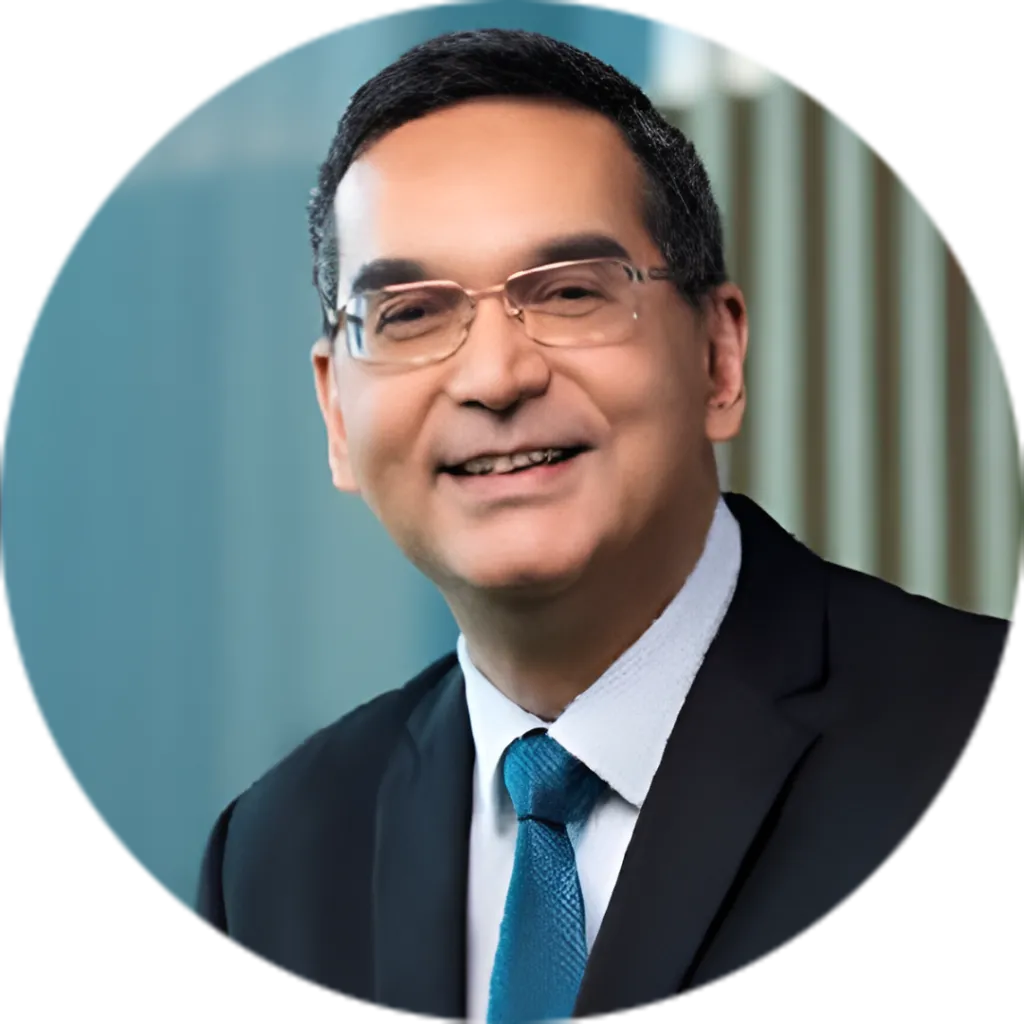
John Sequeira
Associate Professor
of Finance (Practice),
LKC School of Business, SMU
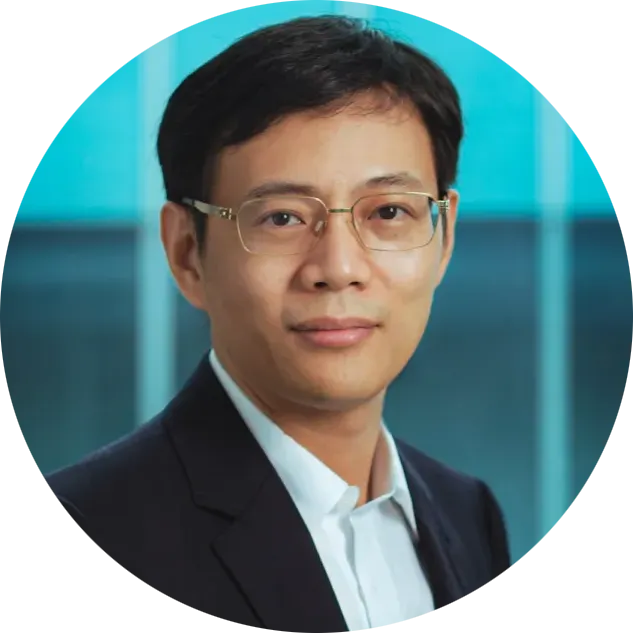
Jianfeng (Jeff) Hu
Associate Professor
of Finance, LKC School of Business, SMU

Bowen White
Adjunct Faculty
of Finance, LKC School of Business, SMU
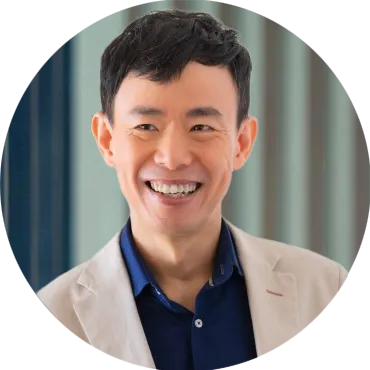
Mark Chong
Professor
of Communication Management (Practice), LKC School of Business, SMU
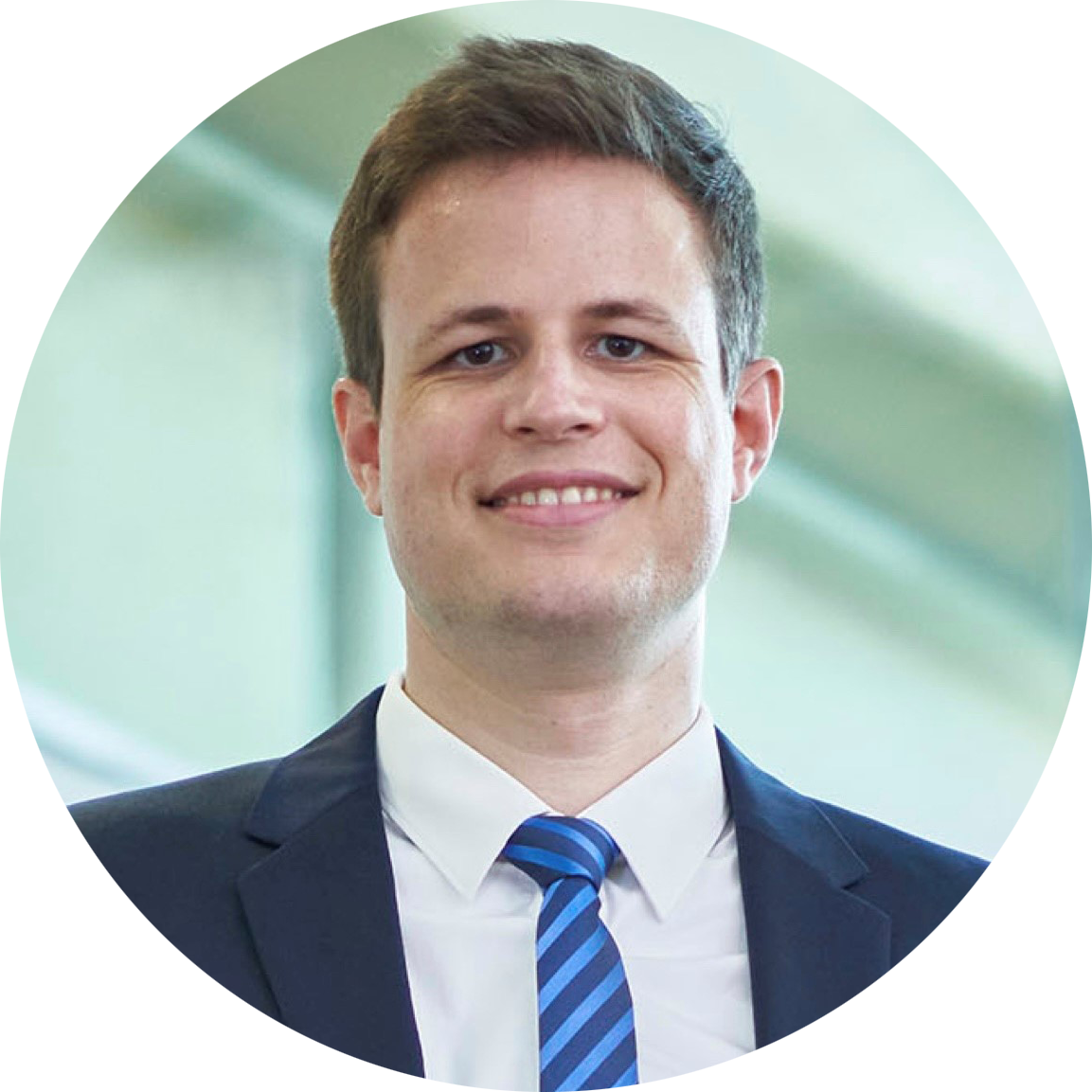
Michael Schaerer
Associate Professor
of Organisational Behaviour & Human Resources, LKC School of Business, SMU

Agnes Sng
Wealth Management & Funds Expert
Former Managing Director &
Regional Head of Investment
Funds, BNP Paribas Wealth
Management
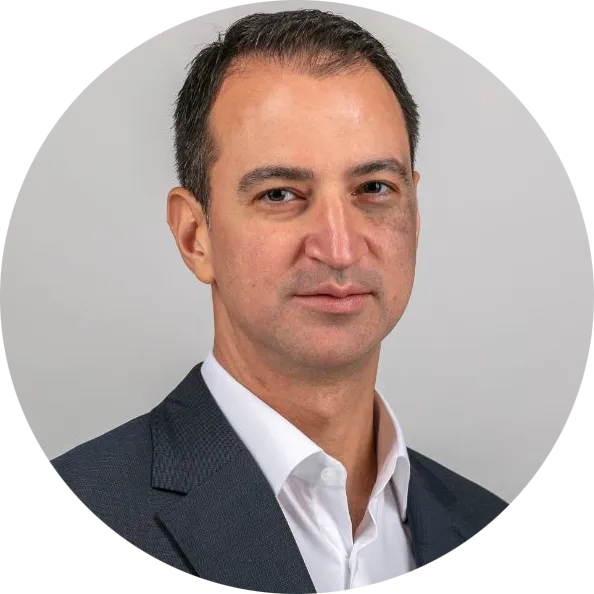
Alptekin Diler
Principal
Investcorp

Anna Chang
Managing Director
Head of Middle Market & Enterprise Banking Services, OCBC
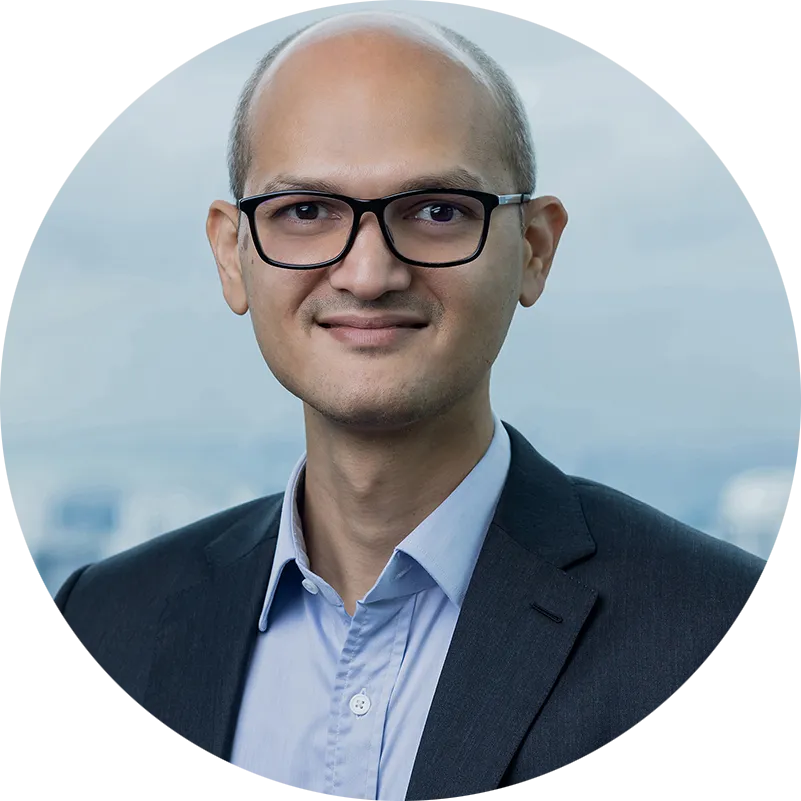
Anupam Behura
Partner
UMA Global Foods

Ashok Vasudevan
Founder & Chairman
UMA Global Foods

Avnish Mehra
Vice-chair,
Private Equity, Everstone Capital
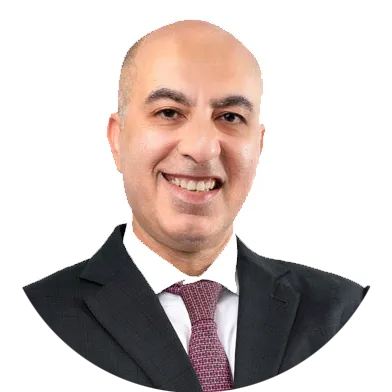
Chetan Bhatia
Managing Director
Regional Head of Europe
DBS Private Bank

Florian Marquis
Co-Founder & CEO
State Square Capital
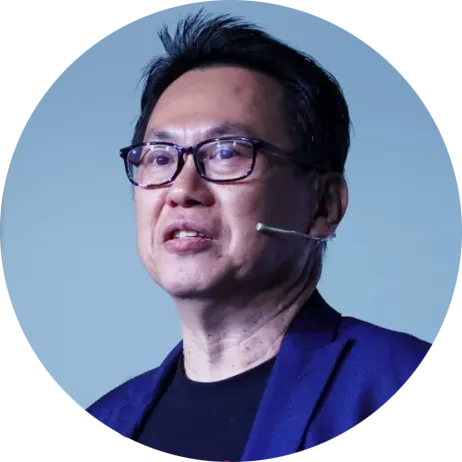
James Ong
Founder & Managing Director
Artificial Intelligence International Institute

Li-Ling Ch'ng
Partner
RHTLaw Asia

Michael Gryseels
Founder & Managing Partner
Anaters Ventures
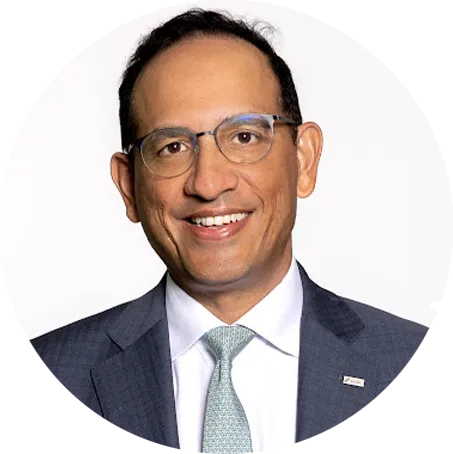
Rajeev Kannan
Head of APAC
SMBC

Ridhi Chaudhary
Chief Investment Officer
Dragon Funds

Roshini Bakshi
Managing Director
Private Equity and Head of Impact,
Everstone Capital

Sandeep Chandak
Managing Director
Elham Credit Partners
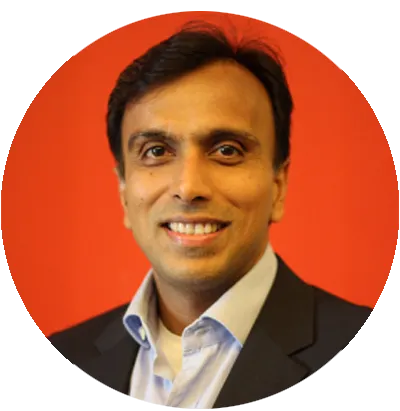
Sandeep Gupta
Managing Director
Broad Peak Investment Advisors
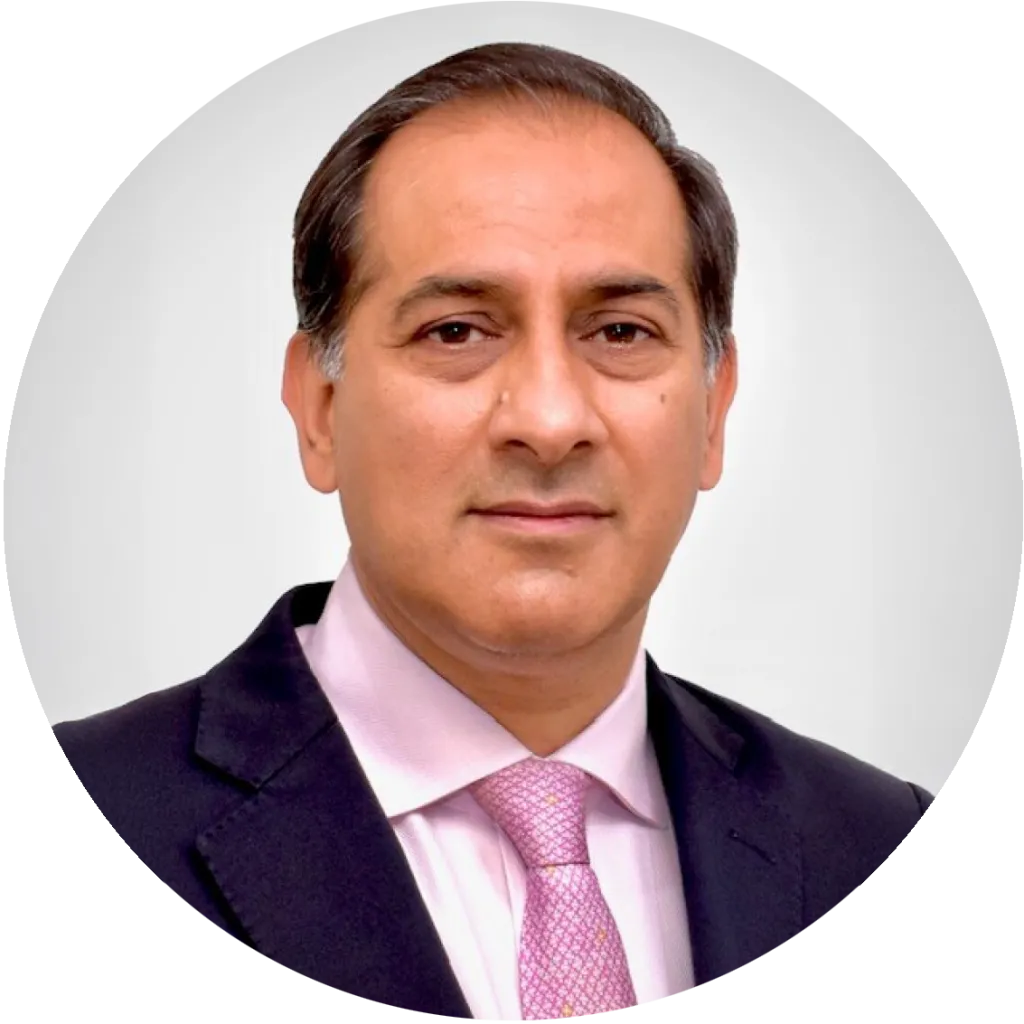
Sandeep Pahwa
Chairman Asia
Corporate Finance & Origination & Head of Capital Markets
& Advisory, SEA, India, Australia, HSBC
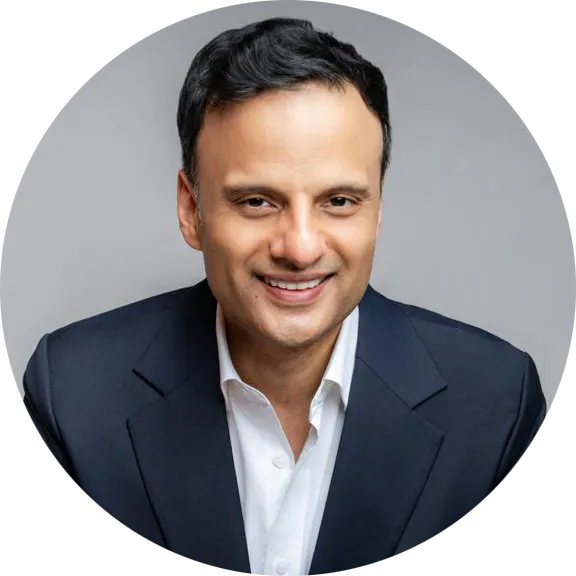
Shaun Sakhrani
Head of Credit Solutions
HSBC Innovation Banking
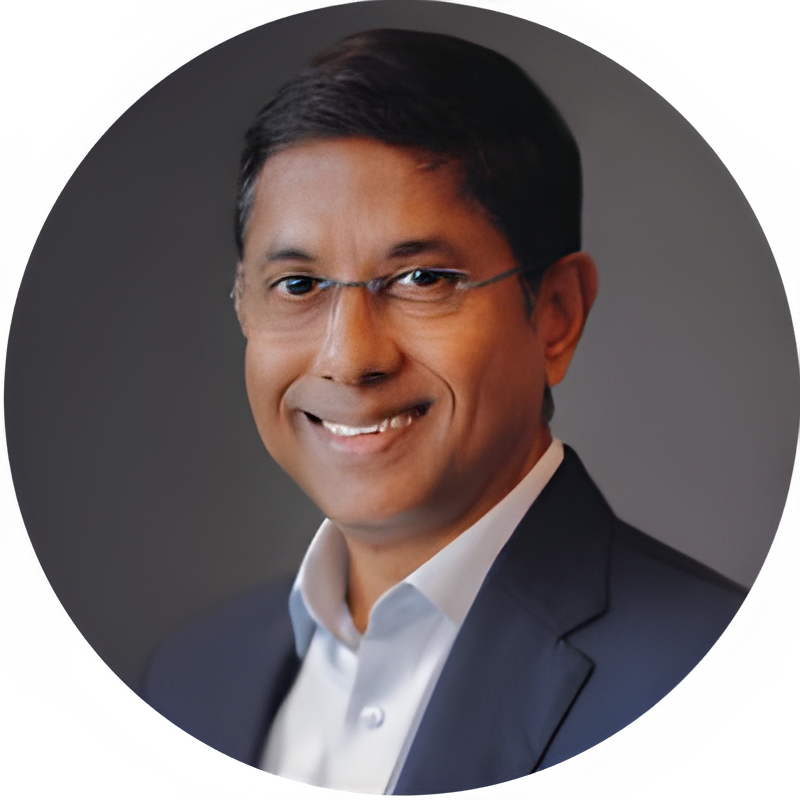
Shrinath Bolloju
Managing Director
APAC, Operations & Technology
for Payments, JP Morgan
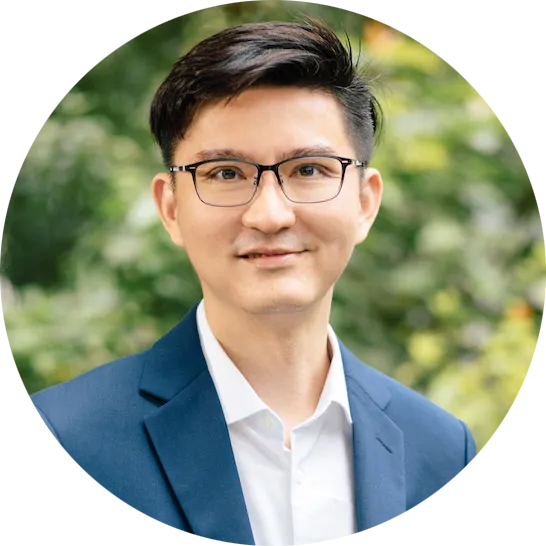
Tan Shao Ming
Chief Investment Officer
ABC Impact
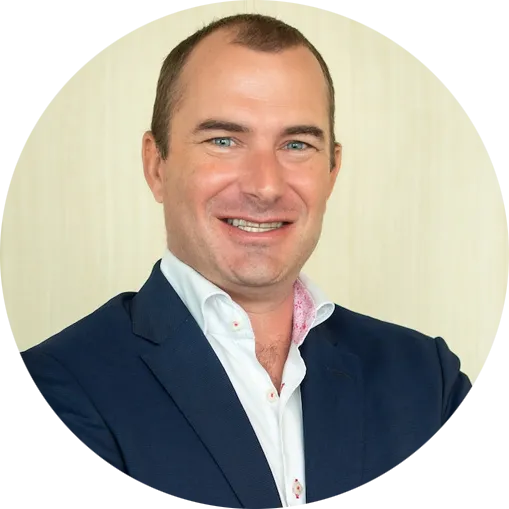
Walter de Oude
Founder
Chocolate Finance
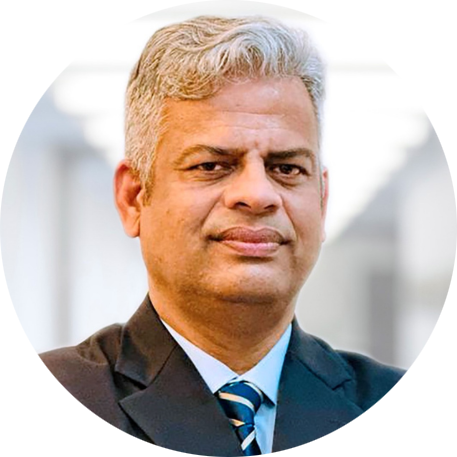
Vijay Pattabhiraman
Managing Director
Global Head of Energy & Transport Transition, UBS
Note: Faculty and Industry Speakers are subject to change.