

A Leader who rises through academia knows the quiet anxiety of the transition: the scholar who once measured success in citations and single-authored papers is suddenly asked to balance budgets, arbitrate competing viewpoints, and answer to society. How do you lead an institution without losing the "intellectual soul" that brought you there?
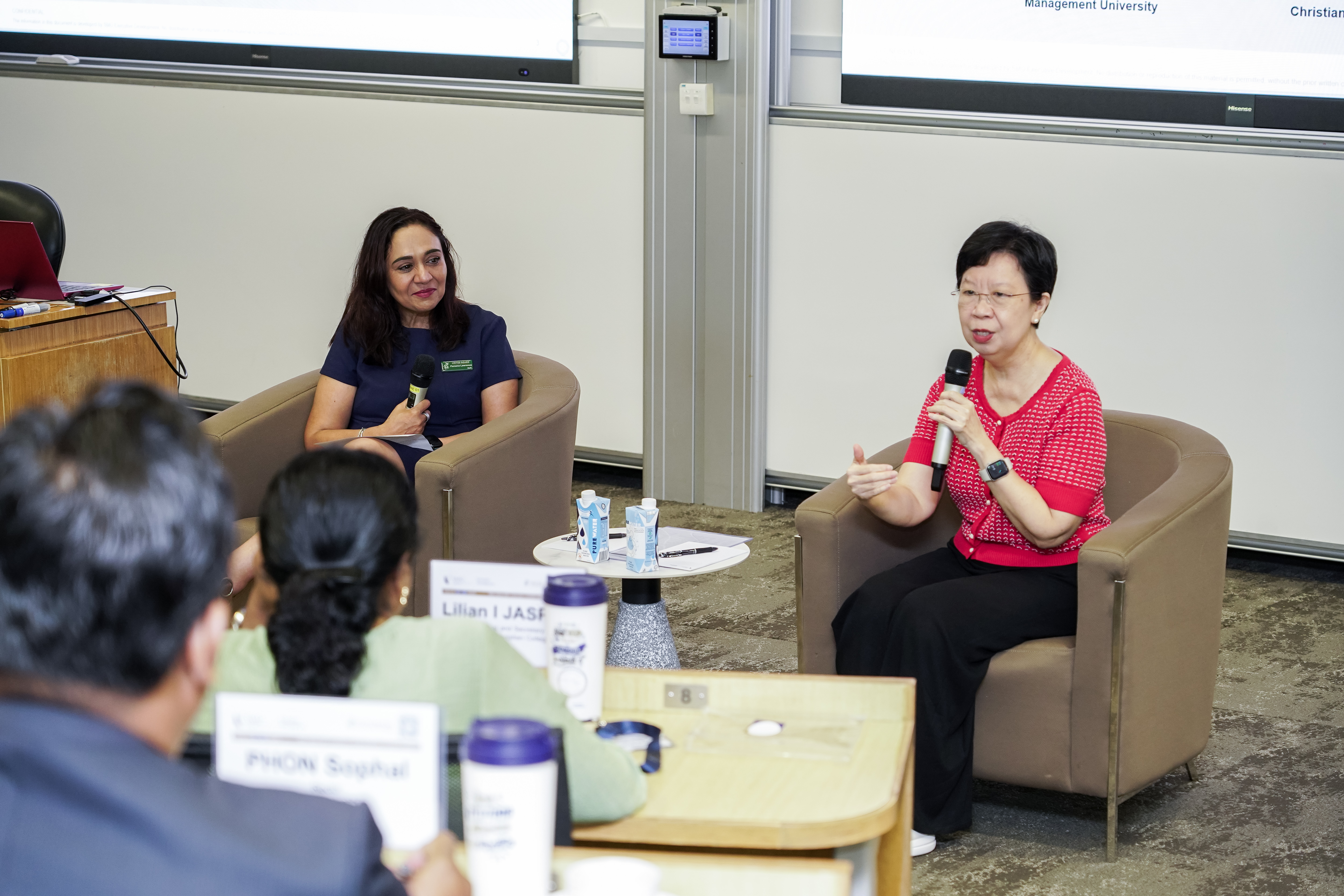
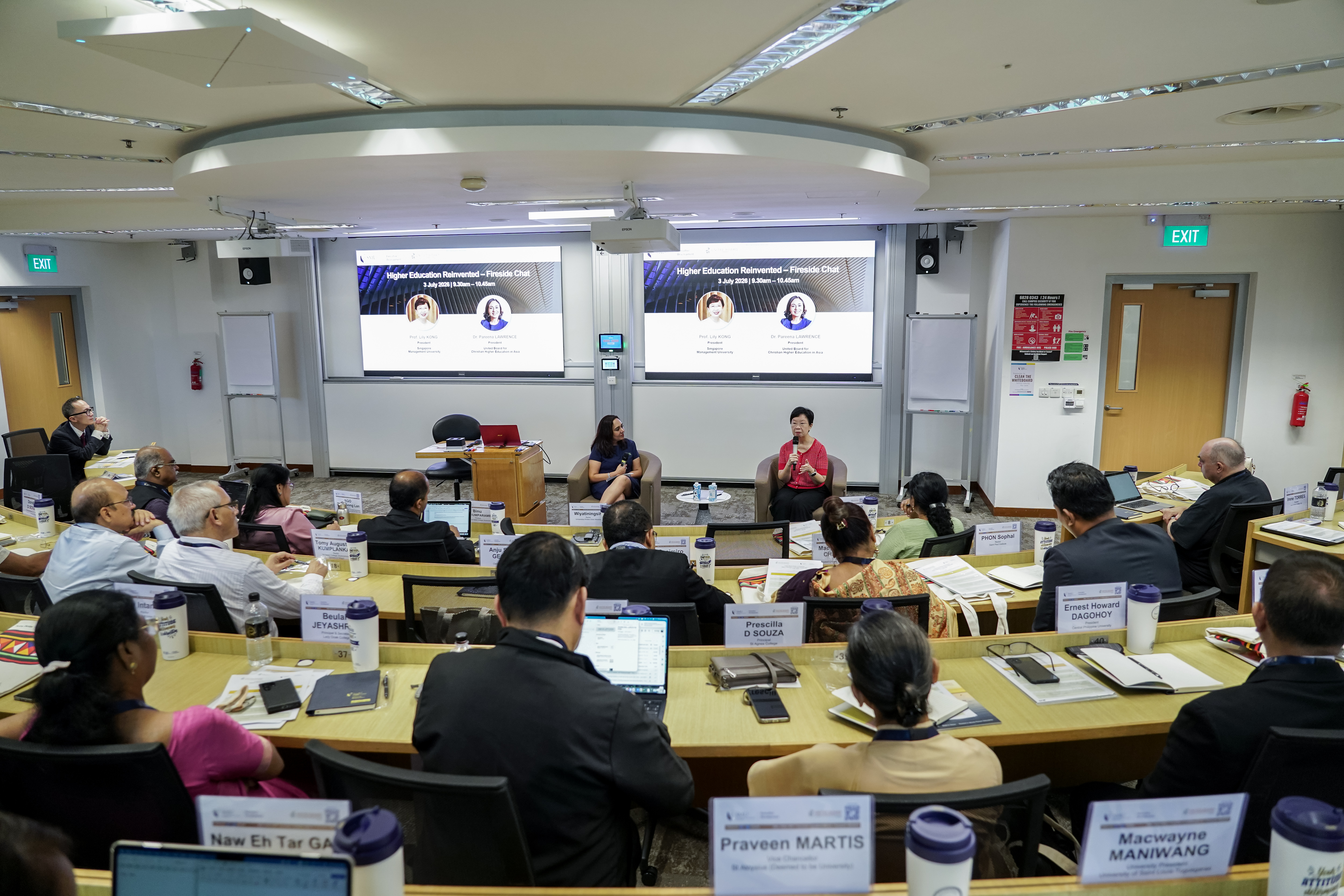
At the United Board's Higher Education Leadership Summit 2026 that convened 41 leaders from across ten nations around Asia, Professor Lily Kong, President of Singapore Management University, sat down with Dr. Pareena Lawrence, President of the United Board, for a fireside conversation titled "Higher Education Reinvented."
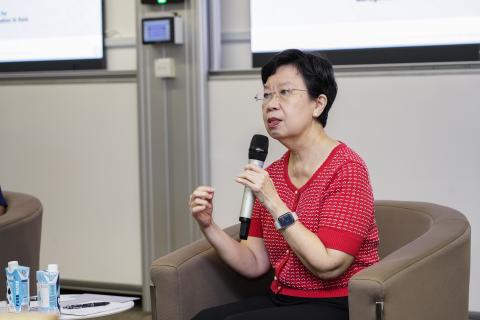
As the first Singaporean woman to lead a university in Singapore and an internationally recognised social scientist, Professor Kong offered a candid account of her journey from a scholar to a university leader.
Here are five lessons in purpose-driven leadership in academia.
1. The hardest choices are "right versus right"
Early in her deanship, a deceptively simple question stayed with her: when inviting an academic onto a committee, do you approach the individual first, or their head of department? Both are defensible. This became a lifelong frame. "The question is not what is right and what is wrong. It's what is right and what is right—that's more difficult."
Genuine leadership weighs how people feel and the full range of considerations behind any decision, and true wisdom lies in balancing competing decisions.
The takeaway: Mature leadership is the capacity to hold competing legitimate decisions in tension, and still make the call. The discomfort of that act is the work itself.
2. Vision is co-authored, but the decision is yours to own
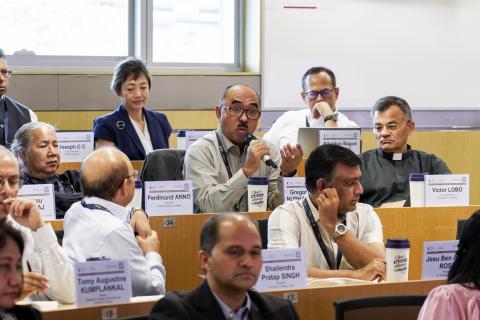
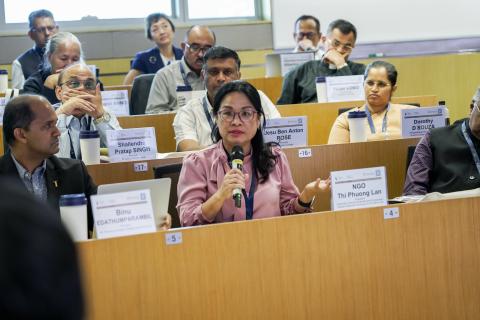
Universities are, by nature, arenas of multiplicities of voices. Professor Kong is emphatic that leaders must genuinely listen and take those voices on board. But she draws a hard line: "at the end of the day, as a leader, we have to make the call."
A vision, Prof Kong argued, "shouldn't entirely be what I want. It really should be what we want", shaped by colleagues, the board, and what society asks of the university in its specific context.
On any significant change, she has learned that support is never universal: some will already be with you, some can be persuaded, and some never will be. A leader's task is not universal consensus but winning enough ground to move, and having the conviction to hold the course when the wind is against you.
The takeaway: Inclusive listening and decisive conviction are not opposites. Take every voice seriously; synthesise the many voices into a clear direction, then own the decision and the accountability that comes with it to carry the institution forward, accepting that unanimity is neither possible nor required.
3. Resist the pull to be like everyone
The easiest strategy in higher education is to chase global rankings, but the logic is self-defeating: "The metrics measure certain sorts of things, and we all chase those rankings—we're going to end up being the same," and collectively fail to serve society's diverse needs.
The critical question, she argued, is: what does this university stand for, and what difference does it make to its stakeholders? A healthy higher education ecosystem depends on differentiation.
This conviction shaped costly choices at SMU.
- The university deliberately invests in small-class, seminar-style teaching so every student participates directly;
- It treats co-curricular learning as core, funding "core educators" who help students reflect on leadership, teamwork and conflict; and
- In research, it is steering colleagues from purely "curiosity-driven" work toward also embracing "purpose-driven" research on real challenges—climate, demographics, geopolitics—rather than only "talking to ourselves" through citation counts.
The takeaway: Strategy is defined by what you choose not to do. Build vision from a triangulation of inputs—the national landscape and unmet needs, your own convictions about what is meaningful, and honest dialogue with industry and policymakers.
Ask relentlessly: "What does our institution stand for, and what difference are we making?" The answer should drive resource allocation.
4. Beware of targets that measure the wrong thing
Professor Kong distinguishes sharply between purpose-driven and target-driven leadership. Ideally, they form a Venn diagram: targets can scaffold a purpose, but "not everything can be measured in targets, and not all targets are good targets."
Wrong targets may create unintended consequence that undermines the very cross-campus research the university wants to encourage. "If we put the wrong target and measure the wrong thing, we will end up incentivising the wrong behaviours," she cautioned.
She extended the same critique to academia's obsession with citation counts. Rigour matters, but societal impact matters at least as much. Her governing question for any metric: "What am I trying to achieve?"
The takeaway: Before setting any metric, ask what behaviour it will produce. Design incentives around what you truly want to achieve, not what is easiest to count.
5. Double down on our humanity in the age of AI
In an age when machines increasingly do what humans once did, "what we need is actually to essentialise our humanity," said Prof Kong, to expose all students to both technology and the humanities and social sciences.
A sociology of the family makes a better family lawyer; understanding society makes better engineers and doctors. At SMU, this conviction shaped a reformed core curriculum built on three pillars—Capabilities, Communities and Civilisations—requiring even future investment bankers to grapple with courses on war and peace. These are, she noted, precisely "the things that the machine doesn't have."
The takeaway: Resist the false economy of cutting what makes graduates human. Signal your values through what you choose to keep, invest in, and protect.
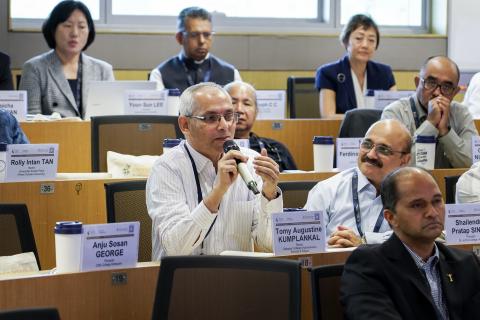
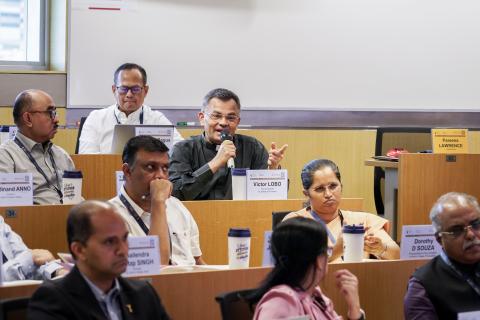
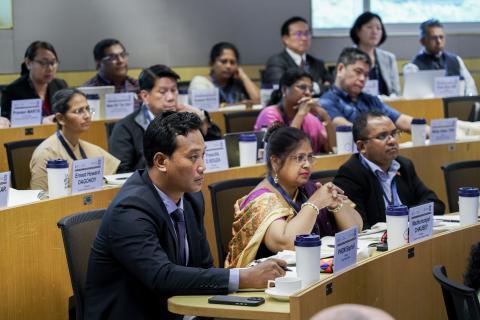
The exchange did not stay one-directional for long. Delegates from across the ten nations and regions gathered at the Summit put their own questions to Professor Kong, gleaning from her experience against realities of their own campuses. It was a fitting close to the session: a reminder that the questions at the heart of academic leadership — how to hold conviction and humility together — are shared far beyond any single institution.
Reinventing, not merely reacting: Leading for the long term
The larger message echoes what the United Board framed for the Summit: this is a time of global disruption, but disruption is also an invitation. The goal, as Dr. Lawrence put it, is to ensure higher education "does not merely survive this new era but thrives", that institutions are prepared to reinvent rather than merely react.
Purpose-driven leadership, as Professor Kong models it, is the discipline of holding conviction and humility together: listening widely, deciding firmly, spending resources as a statement of values, and refusing to let short-term metrics hollow out long-term meaning.
This article draws on the fireside conversation "Higher Education Reinvented" between Professor Lily Kong, President of Singapore Management University, and Dr. Pareena Lawrence, President of the United Board, at the United Board Higher Education Leadership Summit 2026.
The Summit and its accompanying programmes form part of a customised leadership development programme designed by SMU Executive Development in partnership with the United Board to equip presidents and senior leaders across Asian higher education to lead with foresight, fortitude, and purpose.