

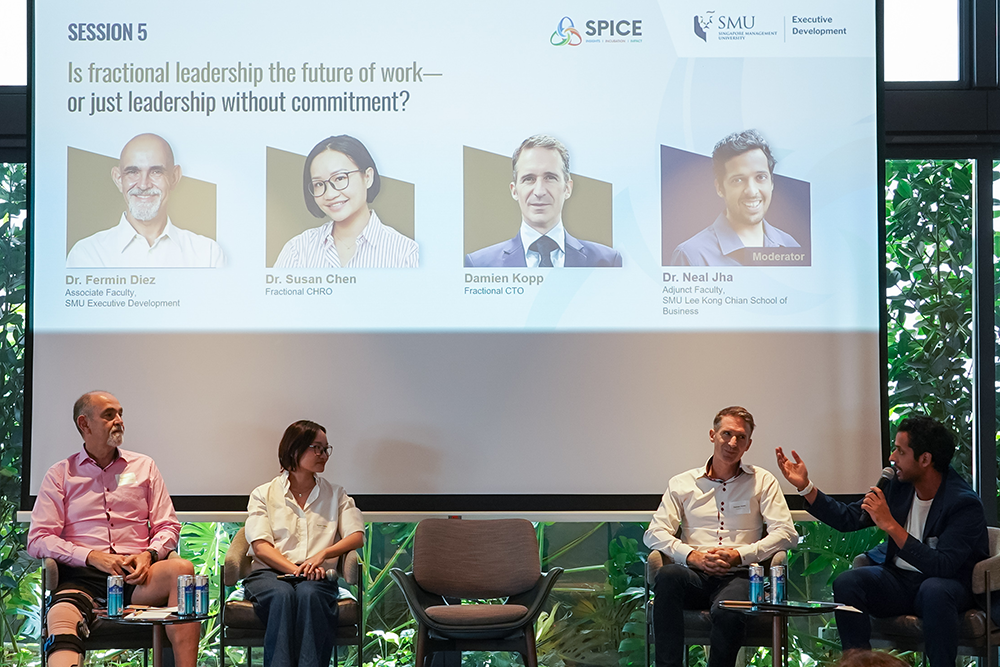
The following article is a brief recap of the discussion that transpired during the SPICE Insights Hub Conference on 26 February.
Executive careers have traditionally followed a familiar trajectory. Senior leaders commit to a single organisation, gradually assuming larger responsibilities within one leadership team.
However, a new model is gaining traction: fractional leadership.
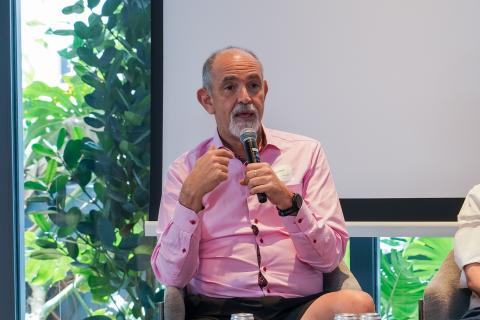
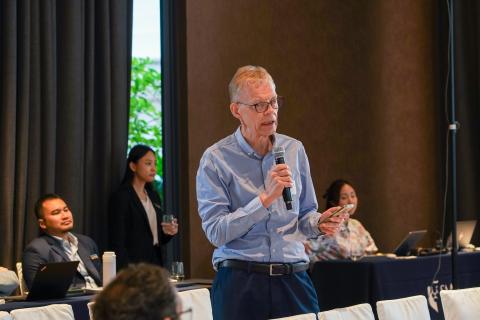
In our final SPICE panel, Dr. Fermin Diez, Dr. Susan Chen, Damien Kopp and Dr. Neal Jha explored this concept that may reshape both leadership careers and organisational design.
Fractional leadership is not gig work
At first glance, fractional leadership may resemble freelance consulting. In practice, the model is quite different.
Fractional leaders hold genuine leadership authority within organisations, even though they divide their time across multiple roles. To be effective, they must have:
- decision-making authority
- accountability for outcomes
- access to organisational data
- integration into executive teams
Without these elements, the role risks becoming advisory rather than leadership.
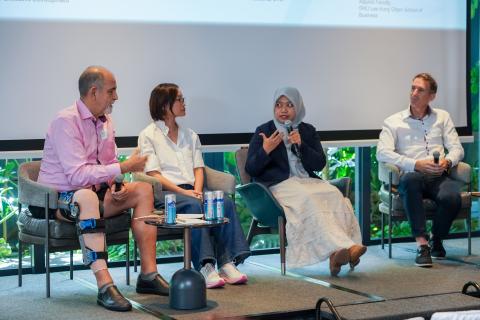
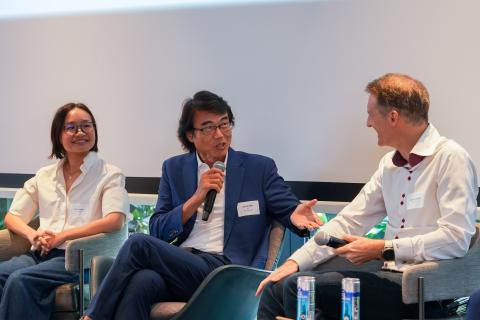
Three pathways into fractional leadership
Leaders typically enter fractional careers through three pathways. Some choose the model deliberately, building portfolio careers across several organisations.
Others are engaged by companies seeking specialised expertise on a part-time strategic basis; still others adopt fractional roles during career transitions.
Regardless of the pathway, success depends on the ability to build trust quickly and deliver measurable impact.
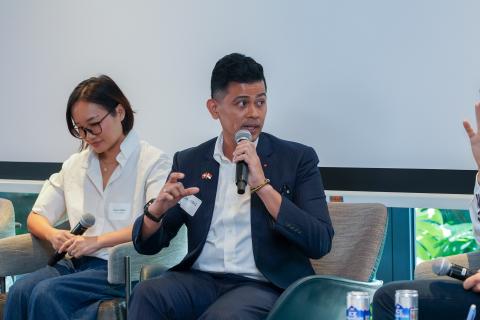
The future of executive careers
Fractional leadership may offer advantages to both organisations and leaders.
Companies gain access to experienced executives without full-time commitments, while leaders bring diverse perspectives from multiple sectors.
As career expectations evolve, future executives may increasingly pursue portfolio leadership careers rather than traditional single-organisation roles.
If this trend continues, fractional leadership may become a defining feature of the future executive landscape.